
Leh (Ladakh) Travel Guide
High-altitude culture, monasteries and dramatic landscapes. Plan where to go, how to get there and an enjoyable three-day trip.
Leh (Ladakh) is a rewarding destination for travelers who enjoy high-altitude culture, monasteries and dramatic landscapes. This guide prioritizes practical sightseeing, pacing, and road conditions over rushed checklists.
Best things to do in Leh (Ladakh)
- Leh Palace. Allow time to enjoy the setting rather than treating it as a quick photo stop; ask locally about opening hours, conditions and safe access.
- Shanti Stupa. Allow time to enjoy the setting rather than treating it as a quick photo stop; ask locally about opening hours, conditions and safe access.
- Thiksey Monastery. Allow time to enjoy the setting rather than treating it as a quick photo stop; ask locally about opening hours, conditions and safe access.
- Hemis Monastery. Allow time to enjoy the setting rather than treating it as a quick photo stop; ask locally about opening hours, conditions and safe access.
- Indus Valley. Allow time to enjoy the setting rather than treating it as a quick photo stop; ask locally about opening hours, conditions and safe access.
For viewpoints, early morning generally offers a less crowded start, though visibility and access always depend on the day.
Suggested 3-day itinerary
Day 1 — Arrive and settle in
Arrive by your chosen gateway, check into your stay and visit Leh Palace. Keep evening plans relaxed, particularly after long hill drives.
Day 2 — Signature sights
Start early at Shanti Stupa, continue to Thiksey Monastery, and spend the afternoon sampling regional food or browsing a local market.
Day 3 — Nature and departure
If conditions permit, explore Hemis Monastery and make time for Indus Valley. Depart before dark where possible, allowing for traffic and mountain road delays.
These days are a flexible template, not a timed tour. Reorder activities based on road conditions, location of your accommodation, and park availability.
How to reach Leh (Ladakh)
Fly into Leh or arrive by seasonal mountain road. Confirm train schedules, road regulations and transfers directly with operators. Short distances on maps may take much longer on mountain roads.
Where to stay
Central stay: best for travelers without their own car and those who want restaurants within reach. View or estate stay: best for nature and downtime, but often needs a taxi. Family stay: prioritize reliable road access, heating where relevant and easy pickup.
Food and local experiences
Ask your host for regional dishes, seasonal produce, locally run cafés, and authentic markets. Prefer experiences that support local crafts and minimize waste.
Photo inspiration
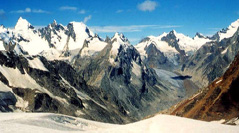


Photos are destination-relevant images supplied by the site owner; appearance and current site conditions can differ.
Frequently asked questions
How many days are enough for Leh (Ladakh)?
Two to three nights suits the main highlights. Choose four nights if you want unhurried travel, treks or nearby villages.
When is a good time to visit Leh (Ladakh)?
May to September typically offers easier road access Check current weather and local advisories before departure.
How do I reach Leh (Ladakh)?
Fly into Leh or arrive by seasonal mountain road. Build in extra time for hill roads and weather delays.
Is Leh (Ladakh) suitable for families?
Yes, with a flexible schedule. Select accessible viewpoints and adjust trekking and road travel to your group.
Do I need any permits for Leh (Ladakh)?
Requirements depend on nationality, specific protected areas, vehicles and activities. Confirm with the relevant state tourism authority before travel.
Nearby hill destinations
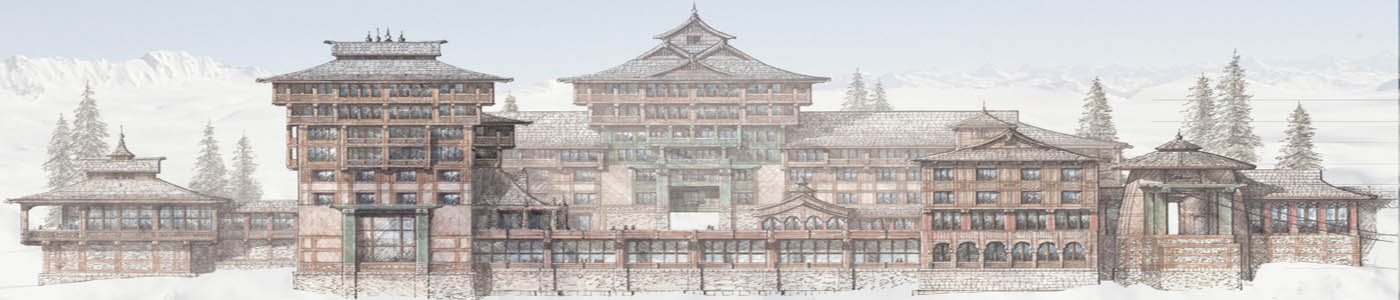
Shimla
Colonial-era streets, forest ridges and Himalayan views

Manali
River-valley adventures, temples and mountain passes

Kullu
Beas Valley orchards, riverside stays and access to quieter valleys
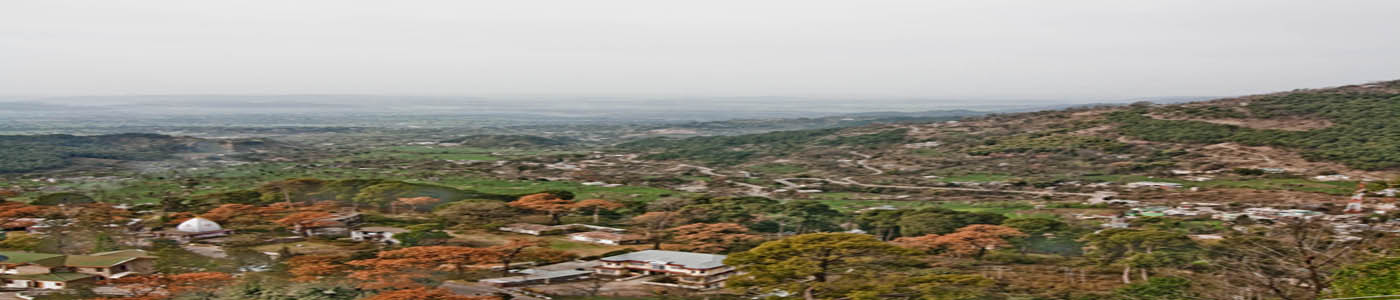
Dharamshala
Tibetan culture and Dhauladhar foothill walks